Royal Avebe sets base price for growing season 2025 at 110 euros.
Royal Avebe heeft haar geïntegreerd jaarverslag 2024/2025 gepubliceerd. Tijdens een bijeenkomst op maandag in het Innovatiecentrum in Groningen lichtte CEO David Fousert de belangrijkste thema’s uit het verslag toe. Hij benadrukte de voortgang van de strategie Versterken en Versnellen, waarbij innovatie, duurzaamheid en het verbreden van het verdienvermogen van de coöperatie centraal staan
De prestatie-indicator steeg naar 136,79 euro per ton aardappelen, een duidelijke en noodzakelijke verbetering ten opzichte van voorgaande jaren. Het coöperatief resultaat na belastingen is 5,1 miljoen euro. Hiervan keert Avebe 2 miljoen euro direct uit aan de leden. De solvabiliteit groeide licht naar 36,5%.
Innovatie en duurzaamheid
In het boekjaar 2024/2025 investeerde Avebe in totaal 60 miljoen euro. De nadruk van deze investeringen lag op het efficiënter en duurzamer inrichten van de productieprocessen, preventief onderhoud en digitalisering. Fousert: “Een mooi voorbeeld is de installatie van nieuwe decanters in Gasselternijveen, waarmee we een flinke waterbesparing realiseren.” Duurzaamheid blijft onderdeel van het fundament van de strategie van Avebe. Voor 2030 zijn ambitieuze doelen gesteld: een CO2-reductie van 30% (scope 1 en 3), 1,5% energie-efficiëntieverbetering per jaar en een forse verlaging van wateronttrekking. Avebe rapporteert over haar duurzaamheidsdoelen in lijn met de aankomende Europese CSRD-vereisten.
Marktontwikkelingen
Fousert stond nadrukkelijk stil bij de huidige marktsituatie: door een groter areaal, een vroege oogst en hoge opbrengsten is het aanbod aan zetmeelaardappelen in Europa dit seizoen fors toegenomen. Fousert: “Tegelijkertijd blijven de kostprijs en risico’s voor de aardappelteelt stijgen, en zien we wereldwijd toenemende onzekerheid en geopolitieke spanningen. Om de teelt aantrekkelijk te houden voor onze leden, zal het saldo moeten meegroeien met deze ontwikkelingen.” Volgens de CEO blijft wendbaarheid en ondernemerschap essentieel om in te spelen op veranderende marktomstandigheden en duurzame groei te realiseren.
Avebe is goed gepositioneerd om samen met haar leden en partners de keten toekomstbestendig te maken en kansen te benutten in nieuwe markten.Paul Westhof Superman
Avebe launches Customer Portal: digital yet personal

We are proud to introduce the Avebe Customer Portal (ACP) – an important step in the further digitalization of our customer service.
Through this portal, customers gain a complete and up-to-date overview of their partnership with Avebe, accessible anytime, anywhere.
What’s inside the customer portal:
· Contracts and contract confirmations
· Order, order confirmations and invoices
· Product information and product data sheets
· Direct access to the customer service team
· Latest news and new products
“A digital platform for our customers to manage their business with Avebe 24/7, digital yet personal” says Roger du Croix, Manager Commerce Intelligence & Digitalization.
Creamy , clean-label, and cost-effective: how to solve dairy’s toughest challenges with potato starch
“Consumers expect dairy products like yogurt to be both indulgent and healthy, so they’re often disappointed if the texture feels thin, watery, pulpy, or overly pudding-like.”
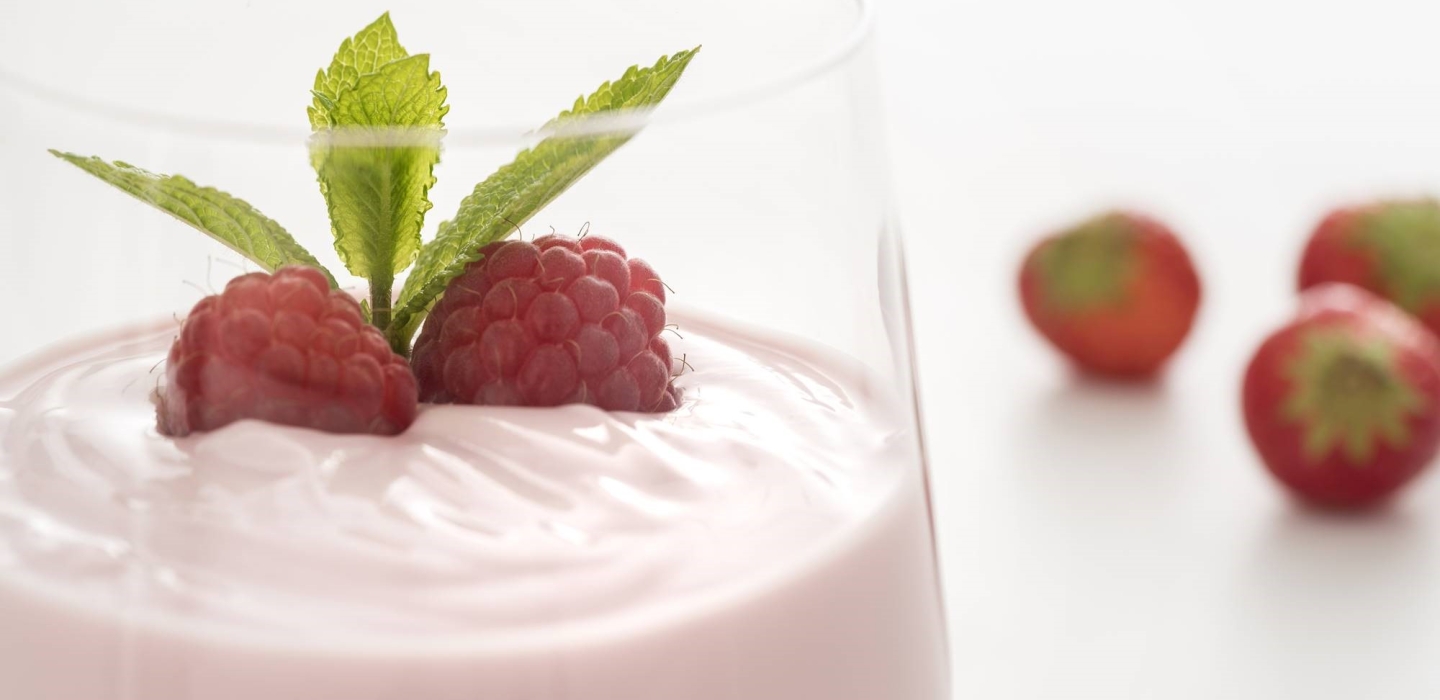
Learn how clean-label potato starch helps dairy producers increase creaminess, cut costs, and stay sustainable.
Today, consumers want it all when enjoying dairy products like yogurts: a smooth, thick texture, a healthy, sustainable label, and a fair price. However, this means dairy manufacturers are under high pressure to cut costs, reduce waste, and keep labels short and sweet.
But potato starch could be the surprising answer to these challenges. Meleknur Tüzün, Global Segment Manager Dairy at Avebe, shares her evidence-based insights on how to create dairy products using potato starch that are creamy, clean-label, and cost-effective.
What are the challenges in the dairy industry?
“Consumers expect dairy products like yogurt to be both indulgent and healthy, so they’re often disappointed if the texture feels thin, watery, pulpy, or overly pudding-like.” Meleknur shares.
Ingredient volatility is a key concern for dairy producers. Milk fat, in particular, is both costly and prone to price swings. Many teams try to reduce milk fat levels for health and cost reasons with alternatives like hydrocolloids or modified starches to achieve that desired creamy texture.
“But these ingredients don’t fit with popular clean-eating trends. They can seem artificial to customers, since they often appear alongside unfamiliar, technical-sounding ingredient names and E-numbers.” Meleknur adds.
Plus, hydrocolloids and modified starches can be tricky to use during dairy processing. They require precise handling conditions and can sometimes thicken or gel too early in the process. And, they aren’t the most sustainable options.
Meanwhile, shelf-life issues like syneresis (water sitting on top of the yogurt) can trigger waste, complaints, and reworks, even if the product is safe to eat and the issue is purely cosmetic.
To tackle these challenges, the goal is to create decadent, cost-efficient dairy products that customers love, featuring simpler labels and seamless processes.


Meleknur Tüzün
Global Segment Manager Dairy, AvebeHow does potato starch work in dairy applications?
“To meet market needs, we’ve built a texture toolbox based on research that helps us understand and unlock functionality such as creaminess and mouthfeel across a wide variety of dairy applications. Our solution: ETENIA®, a clean-label, multifunctional, 100% potato starch that behaves like a hydrocolloid with thermo-reversible gelling. This means that the gel melts when heated and sets again when cooled, without losing its texture. It has a neutral taste and appears on a product label simply as potato starch.” Meleknur says.
ETENIA® works well in dairy products like:
- Stirred, set, or drinking yogurt
- Puddings, desserts
- Fresh cheese spreads
The PerfectaGEL® advantage: the new standard for tasty confectionery treats
“Getting mouthfeel right in formulation is one of the biggest challenges in dairy. Through our work in texture science and a broad portfolio of solutions, we’ve identified approaches that consistently deliver consumer-preferred mouthfeel experiences. In our lab tests, we discovered a Greek-style yogurt with 0% fat and 1.5% ETENIA® nearly doubled creaminess versus a commercial yogurt with 0% fat. And in another trial, a 4%-fat Greek-style yogurt with 1.5% ETENIA® beat commercial 5% and 10%-fat yogurts on creaminess. The application of ETENIA® boosts creaminess at low use levels”, Meleknur shares.
“Consumers want a dairy texture with a full creamy mouthfeel sensation. They’re not really open to changes in texture. Smoothness and creaminess are key drivers of product enjoyment.” Meleknur continues.
Using potato starch, brands can lower fat content without compromising on decadence, while maintaining the texture customers love and meeting health goals.
Cuts costs without canceling creaminess
Common dairy industry ingredients like butter, cream, and milk regularly fluctuate in price, making cost a main driving factor in the industry.
Therefore, most producers look for ingredients with more stable pricing.
Meleknur explains, “According to our lab tests in dairy applications:
- 1% ETENIA® can replace 3% milk fat
- 1% ETENIA® can replace 1% milk protein
- 1% ETENIA® can replace 0.5% gelatin”
Sustainable and clean-label
Replacing hydrocolloids and modified starches, 100% natural potato starch is certainly a sustainable ingredient to use.
”We asked an independent third-party consultant to test the sustainability profile of our products. The results showed that compared to formulas with the same textures, ETENIA® better reduces total carbon footprint versus gelatin in yogurt applications and milk protein in cream-cheese-type applications.” Meleknur shares.
Shelf life and consumer appeal
Potato starch is a strong water binder and gelling starch that helps reduce syneresis. That means products appear fresh (and not liquid or watery) when customers lift the lid and stay stable until the very last spoonful.
“Plus, ETENIA® helps yogurts appear bright and white, so the eating experience is pleasant, smooth, and “full-fat” in sensation. That’s because potato starch mimics the behavior of milk fat in the mouth, without adding off notes. This matters for repeat customers, where even tiny textural differences can affect loyalty. A rich, creamy mouthfeel boosts overall liking scores for the end product.” Meleknur explains.
Operationally, lower syneresis and a more predictable production process help reduce waste and product rework, which in turn improves the overall sustainability of using potato starch.
Flexible and robust process
ETENIA®’s texture forms after cooling, which is generally within 12 to 24 hours. This prevents mixtures from thickening or clogging during processing and gives manufacturers more freedom with their approach.
“Manufacturers need to forget what they know about typical starches, because ETENIA® is different. It doesn’t adapt its texture on the line. Instead, it sets cleanly after cooling, which means it fits perfectly into high-temperature dairy processes without creating line issues.
Likewise, with ETENIA®, manufacturers can achieve their desired product texture by adjusting the use level and the process. To make this practical, we use a suite of solutions built on our benchmark toolbox. These address three recurring challenges in dairy: achieving creaminess, creating the right mouthfeel, and finding the perfect texture. With these tools, producers can fine-tune dosage, optimize preparation, and ensure consistency across processes and applications” says Meleknur.
For example, here are some texture options:
- Firm yogurt profile
- Creamy Greek-style yogurt
- Spreadable cream cheese
Transform your dairy products with potato starch
Potato starch gives dairy producers and manufacturers a practical, proven way to maintain an indulgent texture and mouthfeel, along with clean-label, cost control, and sustainability benefits. It raises creaminess at low use levels, replaces more expensive dairy solids, and simplifies processes, all while keeping taste pure and delicious and labels short.
“Potato starch can replace hydrocolloids or modified starches at the same function or even improved functionality. It can replace milk protein or milk fat. It can work in very harsh dairy conditions, in every process setting and can create different textures free-from allergen labeling. If you’re looking for the best protein or fat replacement, or to enhance creaminess in dairy applications, this multifunctional potato starch is one of the purest ingredients you can use.” Meleknur concludes.
For dairy products, where texture is everything, ETENIA® transforms common constraints into a competitive advantage.
To learn more about making the switch to ETENIA® clean-label potato starch, visit avebe.com.
ETENIA® transforms common constraints into a competitive advantage
Say cheese to functionality & profitability in processed cheese
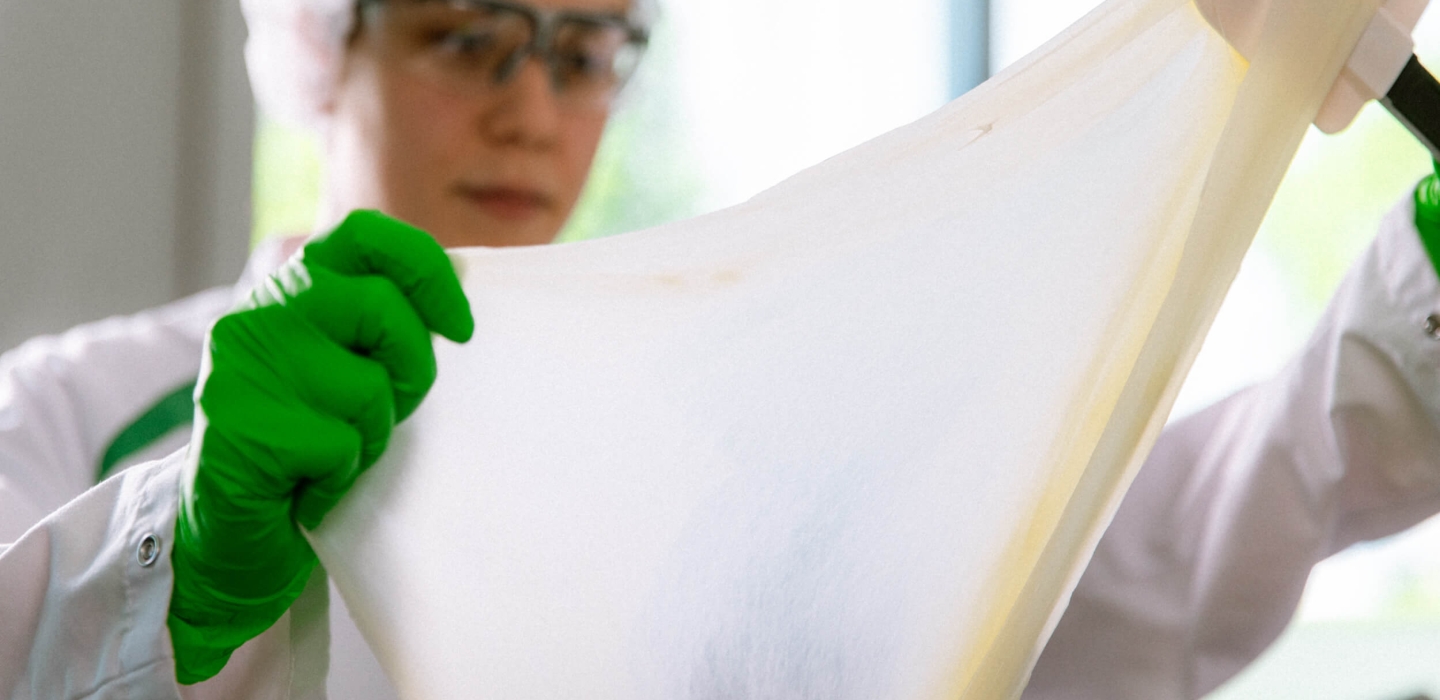
At Avebe, we have been innovating with potato starch since 1919. With over a century of experience in dairy and cheese applications, we understand the complexity of balancing functionality and profitability. “What if you could maintain the taste, texture, and functionality of cheese, while significantly reducing costs?” That question drives our search for smarter, more sustainable solutions in processed cheese. In this blog, Ayse Gürarslan and Roy de Vries share how PerfectaMYL®, Avebe’s potato starch-based solution for processed cheese, is the answer for the cheese industry.
Market trends & forecasted growth
The global processed cheese market is mature, yet steadily growing. Between 2021 and 2029, volumes are expected to rise from 11,753 tonnes (in 2021) to 13,021 tonnes in 2025, and ultimately 14,149 tonnes by 2029. Retail remains dominant with 68% market share, but foodservice is catching up, showing consistent growth.
This growth is driven by evolving consumer expectations: affordability, versatility, and premium cheese experiences across applications like burgers, sandwiches, baked goods, and ready meals. Producers are under pressure to deliver on these demands while managing costs and maintaining quality.
Challenges from the producer’s perspective
While market demand is rising, cheese producers face a complex balancing act:
- Cost pressure: Dairy proteins like casein are on average expensive and volatile in price. Producers seek alternatives that reduce costs and dependency without compromising product quality.
- Functionality demands: Cheese must melt, stretch, slice and shred perfectly, especially in foodservice applications where performance is critical.
- Processing efficiency: Manufacturers seek ingredients that integrate smoothly into existing production lines. For example including predictable setting times and minimal stickiness.
- Sustainability goals: There’s a growing trend toward replacing animal-derived ingredients with sustainable, plant-based alternatives that align with environmental and consumer expectations.
- Versatility: Producers require a flexible ingredient system or toolbox capable of adapting to multiple processed cheese formats, from pizza cheese and individually wrapped slices to hard blocks.
Partner with a proven track record
These challenges require more than just an ingredient, they demand a partner with deep technical expertise and a proven track record. Here, Ayse Gürarslan and Roy de Vries, both Customer Application Technologist at Avebe and processed cheese experts, explore in more detail their insights on how to create processed cheese that delivers 100% on the best cheese experience in a cost-effective way.
“We don’t just deliver ingredients,” says Ayse Gürarslan, Customer Application Technologist at Avebe. “We help producers solve different cheese challenges, from cost reduction to shelf-life stability with our solutions that are tested, scalable and backed by decades of expertise. ”
Roy de Vries, Customer Application Technologist at Avebe adds: “ PerfectaMYL® is more than a starch. It’s a toolbox for different cheeses. We co-create with our customers to make sure every recipe performs, technically and commercially.”
What makes PerfectaMYL® stand out?
Ayse: “PerfectaMYL® is a potato starch-based solution that can partially or even largely replace casein in processed cheese. It delivers a powerful combination of functional benefits including excellent meltability (achieved even with high protein replacement of up to 40–78%), stable texture without retrogradation, improved integrity due to reduced stickiness and water migration, high processability, and a neutral taste profile.”
Roy emphasizes that the success of PerfectaMYL® lies in combining this functionality with expert support. “The beauty of PerfectaMYL® is that it’s not just an ingredient, it’s a system. And we help producers integrate it seamlessly into their recipes and processes. We guide customers from pilot to production, offering tailor-made recipes and technical expertise.”
Both experts recognize that today’s challenges require smart, scalable solutions. PerfectaMYL® offers that flexibility: from slice-on-slice to pizza cheese, from low to high protein replacement, all while preserving taste, structure, and processability.
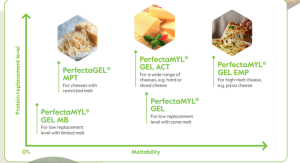
PerfectaMYL cheese toolbox
Customer challenge
A leading manufacturer of individually wrapped cheese slices was facing rising production costs and quality concerns. Their goal was to reduce reliance on expensive dairy proteins like casein, without compromising the texture, shelf stability, or overall performance of their product. Stickiness between slices and water migration during storage were also causing packaging and quality issues. The company needed a solution that could deliver cost savings and improve product integrity without requiring major changes to their existing recipe or process.
Together with Ayse, Roy explored the potential of PerfectaMYL® GEL ACT. The team ran trials to test partial casein replacement, focusing on maintaining sensory quality and packaging performance.
“We knew PerfectaMYL® GEL ACT could do more than just replace protein,” Roy explains.
“It also helps prevent stickiness and water migration, two issues that were really affecting their shelf life.”
By integrating PerfectaMYL® GEL ACT into their existing formulation, the manufacturer was able to replace 4% of the casein while maintaining the same texture and sensory quality as the original recipe. The solution eliminated stickiness and water migration, improving shelf stability and packaging performance.
Ayse adds: “Most importantly, the company achieved a significant reduction in protein usage saving over €200,000 annually based on their production volume of 1,300 tonnes.” Roy concludes: “It’s a great example of how a small adjustment can have a big impact. And the best part? No compromise on quality.”
Ready to transform your own cheese production?
In a market where functionality has to go hand in hand with profitability PerfectaMYL® offers a smart, proven solution that meets these demands without compromise.
Consumers expect affordable cheese products that deliver authentic taste, satisfying texture, and reliable functionality. With PerfectaMYL®, you can deliver exactly that.
Whether you’re looking to improve meltability, streamline your production process, or future-proof your formulations, our experts help you stay ahead of the curve.
If you’d like to discover how PerfectaMYL® can transform your cheese production, feel free to contact us today for a consultation or sample.
📩 info@avebe.nl
We’re nominated for the FIE-award 2025 with PerfectaGEL® FS!
PerfectaGEL® FS: Faster Drying, Sweeter Success

We’re proud to announce that Avebe has been nominated for the prestigious Fi Award in the Plant-based Innovation category with our innovation: PerfectaGEL® FS!
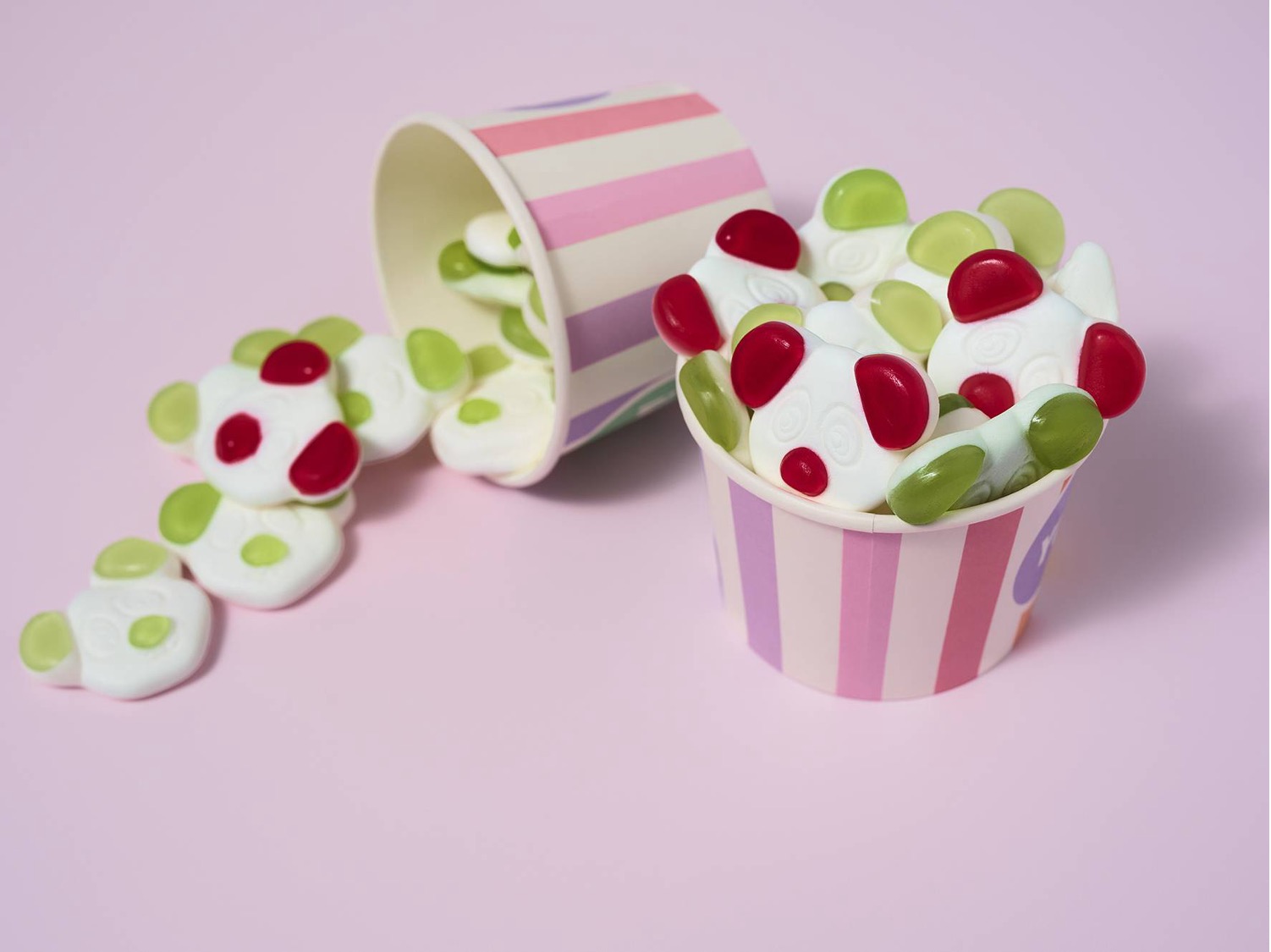
PerfectaGEL® FS speeds up drying time in confectionery while maintaining a nice texture. A true solution that delivers both efficiency and indulgence.
Adding just a small amount of PerfectaGEL® can significantly improve the production process of starch-based gummies:
- Reduce drying time by up to 50%
- Faster setting thanks to a unique modification that enables gelling without compromising quality
- Produce more tasty vegan gummies with improved texture and sustainability
- Lower energy costs and a more sustainable production process
This nomination recognises our team’s dedication and our commitment to sustainable and plant-based innovation.
On Monday 1st December, we’ll present our solution to the jury during the judging day.
Visit our booth 40H110 (Hall: H4.0) at Fi Europe in Paris, taste and discover why PerfectaGEL® is shaping the future of food innovation!
The sweet spot: 100% indulgence with cost-effective, natural confectionery ingredients
”Cost issues, changing consumer preferences, misconceptions about alternative solutions. The confectionery industry is facing several challenges right now, and many producers are struggling to adapt without compromising product quality.”

Struggling to achieve the perfect indulgent taste and texture in your confectionery? As the demand for more natural, delicious treats rises, balancing taste, texture, and affordability can be tricky.
In the world of sugar confectionery, indulgence is king — people want to feel instant and intense satisfaction from the products they choose.
To deliver on such pleasurable promises though, a product’s taste and texture needs to be just right. Beyond this, producers need to find a way to keep products affordable, while also accommodating the latest consumer trends. Such as the growing demand for more animal-free, natural confectionery ingredients.
Ticking all of these boxes can feel like a never-ending challenge for confectionery producers. Because unfortunately, every ingredient has it’s pros and cons in terms of texture or processing. Particularly, achieving impressive textures and flavours with alternative ingredients, and delivering such products at scale is not easy.
If producers are serious about appealing to the sweet tooths of tomorrow, they will need to find natural confectionery ingredients that push customer’s indulgence buttons in all the right ways.
Here, Stefan Wessel, Customer Application Specialist at Avebe, explores this issue in more detail and shares his insights on how to create confectionery that delivers 100% indulgence in a more natural, affordable way
The confectionery industry needs sustainable solutions
Stefan Wessel
Customer Application SpecialistOne of the biggest challenges is the volatile cost of traditional gelling agents like gelatin and gum arabic. For many years, these ingredients have been used to create the chewiness, elasticity, and stability that consumers crave in confectionery products. But for various reasons — fluctuating supply chains and increased demand from other industries to name a couple — prices are unstable. Producers are finding it harder to maintain cost efficiency.
And although consumers are increasingly demanding more plant-based confectionery ingredients, substituting such ingredients for the costly traditional gelling agents isn’t always very simple. Achieving the right balance of firmness and chewiness in plant-based gummies, jellies and pastilles can be challenging. Gelatin tends to provide that unique ‘elastic texture, which can be very difficult to replicate with plant-based ingredients. That’s also why there is a large category of hybrids. Gum Arabic plays a crucial role in stabilizing certain confectionery coatings and fillings. Finding an alternative that performs just as well without introducing unwanted processing challenges is not always straightforward.
As an added challenge, sometimes when a viable solution does present itself, misconceptions about its attributes can prevent producers from embracing it. For example, although starch-based alternatives require certain processing adaptations, new developments and innovations in both ingredients and textures are ensuring that such adaptations are an ever more attractive option.
One such cutting-edge starch-based innovation is PerfectaGEL®. And as the industry navigates numerous challenges moving forward, PerfectaGEL® provides some real game-changing advantages.
The PerfectaGEL® advantage: the new standard for tasty confectionery treats
PerfectaGEL® is a key brand for confectionery potato starches we’ve developed at Royal Avebe.
When it comes to creating cost-effective (vegan) sugar confectionery without compromising on taste and texture, PerfectaGEL® starches are the ultimate solution. By offering the following advantages, these solutions enable maximum indulgence, multiple textures with minimum cost and processing advantages.
Affordability
PerfectaGEL® starches offer great taste and texture as a cheaper alternative to gelatin and pectin. In addition, some PerfectaGEL® starches have fast-setting properties and low viscosity, allowing producers to reduce energy costs or increase factory output by up to 50%. Safe to say that a boost in efficiency like this will inevitably facilitate much more competitive product pricing.
Indulgent, Premium Textures
Crucially, this cost-effectiveness does not come at the expense of quality. PerfectaGEL® also consistently achieves the firmness, chewiness, and elasticity consumers expect in premium confectionery. So the end-user gets all the indulgence they crave in an affordable, sustainable, natural, (more) plant-based way.
Ease of Processing
PerfectaGEL® starches make all of this possible without any added hassle for the producer. With easy-to-use drop-in solutions, it integrates seamlessly into existing production processes, requiring no new equipment for producers that are already used to making starch-based gummies. Although for some gelatin producers, new equipment might be necessary.
All-in-all, if used correctly, PerfectaGEL® can help producers stay competitive in an ever-evolving industry.
Helping producers stay competitive amidst emerging trends
As well as the common confectionery challenges I’ve already discussed, PerfectaGEL® also helps producers align their products with other important trends that are re-shaping the industry.
There is a growing demand for sustainable and ethically sourced ingredients. Both individual consumers and businesses are starting to scrutinise supply chains more closely, and are favouring confectionery ingredients that have a lower environmental impact. Neither gelatin, which relies on animal-derived raw materials, nor gum arabic, which is linked to concerns around deforestation and unstable supply chains, really align with this growing demand. PerfectaGEL® however, as a plant-based, starch-derived solution, offers a more sustainable and ethical supply chain. This is because potatoes are a widely available, renewable crop, with a relatively low environmental impact.
In a nutshell, consumers increasingly want natural, sustainable, (vegan) confectionery treats that still taste incredible, and don’t break the bank. If producers can deliver all those things in one package, they will more than compete; they will stand out.
PerfectaGEL® case study: reduced drying time, increased output, lower energy costs
But don’t take my word for it. Have a look at the case study below, and you’ll see how effective PerfectaGEL® can be:
Customer Challenge
Just a few months ago, a renowned confectionery producer was having to cope with long drying times for their starch-based gummies, limiting their production capacity. Their energy costs were too high, and factory output was down due to the increased drying time compared to the gelatin gummies they used to make. As a result, the company was looking for a way to reduce drying time without making investments in the production process. They also wanted to achieve a firmer texture in their gummies, without having to change the recipe.
The Solution:
By adding PerfectaGEL® FS on top of their current recipe, the company was able to reduce drying time by 25%. This allowed them to simultaneously increase factory output, and lower energy costs per gummy. While also producing firmer, more sustainable gummies.
Transform your own confectionery production with PerfectaGEL®
In an evolving confectionery market where cost-efficiency, sustainability, and product quality are more important than ever, PerfectaGEL® offers a natural solution that can meet these demands without compromise.
Consumers want — and deserve — a way to indulge in delicious tastes and textures that give them a real sense of satisfaction. With PerfectaGEL®, you can provide that for them.
Whether you’re looking to enhance texture, streamline production, or future-proof your formulations, PerfectaGEL® can help you stay ahead of the curve.
If you’d like to discover how PerfectaGEL® can transform your own confectionery production, please feel free to contact me today for a consultation or sample.
A smarter seal: How potatoes make packaging sustainable
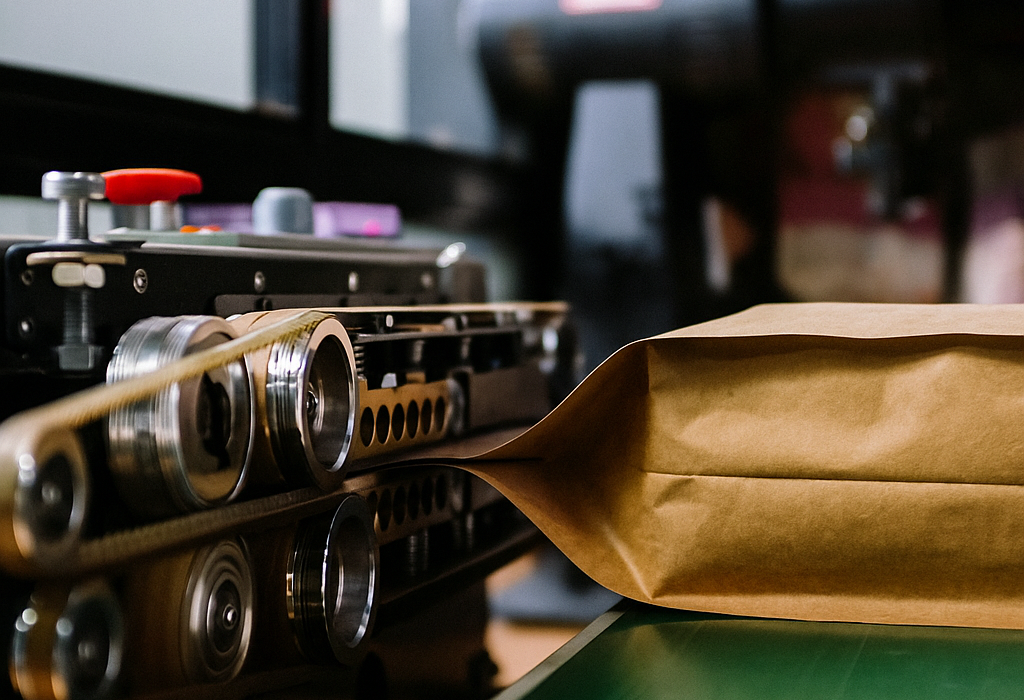
Synthetic adhesives are non-biodegradable and complicate recycling
Packaging, especially food packaging, consists of more than fiber alone. Adhesives keep the packaging together and hold tamper-proof seals in place. These adhesives need to be food-safe and, depending on the contents, serve as barriers to oil, fat, volatile organic compounds (VOCs) and oxygen.
Between 40 and 50 percent of all food packaging relies on hotmelt adhesives. Developed in the 1940s, synthetic polymers such as ethylene-vinyl acetate (EVA), polyolefins and styrene block copolymers (SBCs) form strong, fast-setting and cost-effective bonds. Unfortunately, these tried-and-tested synthetic adhesives are non-biodegradable and complicate recycling.
What is PerfectaCOL®?
PerfectaCOL® GM is a potato starch-based adhesive designed to meet the demanding needs of dry food packaging. It’s heat-pressure sealable and an oil-and-grease barrier. This versatility, makes it a viable alternative to synthetic heat-pressure sealable adhesives and even hotmelts, and the perfect solution for ensuring product integrity and sustainability.
Benefits of PerfectaCOL®
- Heat-Pressure Sealability: Achieves strong, consistent seals at lower temperatures, reducing energy use by up to 20%. Also suitable as an alternative to some hotmelts.
- Oil-and-Grease Resistance: Maintains barrier performance even in high-fat applications, eliminating the need for synthetic coatings.
- Biodegradable: Fully compostable and biodegradable, free from harmful additives.
- PFAS-Free, ensures environmental integrity by avoiding harmful chemicals.
- Bio-Based: Potato starch is a natural, renewable resource that fully aligns with consumer demand for eco-friendly packaging.
The shift toward sustainable packaging accelerates
Avebe’s Customer Development Projects Colin Brown pays very close attention to his customers’ markets. “When it comes to sustainable packaging, you see multiple trends converge. We see consumer pressure, stricter regulations, and growing concerns over food safety, and environmental impact. Taken together, these forces accelerate changes across the packaging industry.”
Creating sustainable packaging involves more than simply swapping plastic for paper. There are multiple technical and practical challenges to overcome. To begin with, every component – not just the most visible one – must be recyclable, compostable or biodegradable, non-toxic, compliant with applicable legislation, and suitable for industrial use.
Colin: “You can’t just offer a ‘paper-based’ product and call it a day. Fiber is part of the solution, but there’s more to packaging than fiber alone. Take adhesives, can yours guarantee sealability and meet all sustainability standards?”
Can potatoes make packaging biodegradable?
Colin: “Traditional synthetic adhesives are typically fossil-based, hard to break down, and incompatible with compostable packaging standards. Luckily, there’s a solid alternative to synthetic adhesives — one that’s biodegradable, food-safe, and cost-effective. If you want to go fully green, you need potato starch.”
With more than thirty years of experience at Avebe, Colin knows a thing or two about the industrial advantages of potato starch. Avebe is one of the leading innovators in sustainable packaging — and the world’s premier source for potato starch-based solutions.
Colin: “PerfectaCOL® GM, our potato starch-based adhesive, is affordable, efficient, and biodegradable of synthetic adhesives in both food and fiber-based applications. Best of all, it only requires minor adjustments to run on existing equipment.”
97% biodegradation in under 30 days
Potato starch is a natural, renewable ingredient that enables packaging to meet circularity standards. Under industrial composting conditions, adhesives based on PerfectaCOL® GM achieve 97% biodegradation in under 30 days, making them ideal for food-contact and single-use packaging.
Colin: “You can use PerfectaCOL® GM adhesive for heat-pressure sealing. They’re oil- and grease-resistant, PFAS-free, and made from renewable resources. We recently added PerfectaCOL® GM to the processes of a European specialty paper producer. Our adhesive allowed their packaging to pass DIN EN 13432 compostability standards, helping them meet their zero-waste packaging goals.”
Packaging is your first impression — make it count
As awareness and concern around the waste and health risks of plastics and PFAS continue to grow, the packaging industry must adapt.
Colin: “Packaging is often the first and most intimate contact customers have with your product. If you want to make a good impression, it needs to show that you take safety and sustainability seriously. That’s where PerfectaCOL® GM comes in. Our potato starch helps you meet expectations without compromising on quality or performance.”
How sustainable is your packaging?
Is your packaging fully green? Sustainability requires more than switching from plastics to fiber. If you want to add an adhesive that’s biodegradable, food-safe, and cost-effective, look no further than PerfectaCOL® GM. Contact our experts and discover the possibilities, feel free to contact our team of experts today.
Just add some Potato for a World of Difference

What is CasuCOL®?
CasuCOL® modified potato starches are thickeners for gypsum or cement-based mineral binders. These ingredients make plasters, mortars, and adhesives easier to work with by improving adhesion and handling time. Furthermore, adding CasuCOL® reduces the risk of sagging in applied layers.
How does CasuCOL® improve plaster quality?
CasuCOL® starches are cold-water soluble. Even in very small concentrations, this binder makes plasters and mortars smoother and improves their consistency. Plasterers using plasters with CasuCOL® have more time to work with the material.
Benefits of CasuCOL®
- Faster stabilisation makes plaster easier to mix and gives it a longer handling time.
- Improved adhesion and higher consistency guarantee excellent results.
- Avebe provides expertise, service, and support in determining the right mixing ratios for the required functionalities and performance.
Avebe develops and produces high-grade additives based on starch. Our products improve construction materials, and in turn that ensures increased performance and optimum ease of use.
Enhance your plasters and mortars with one ingredient
One ingredient simplifies the application of plasters and mortars, enhances the quality of the final result, and contributes to sustainability. Would you like to know what CasuCOL® starches can do for your construction materials? Contact our experts and discover the possibilities.
The right materials make plastering easy
“Plastering only becomes easy when you work with the right materials,” says Peter from Stucadoorsbedrijf Peter Jansen. “People often try to do it themselves, and it goes wrong. Then they ask me to finish the job with their materials. I never do that. The plaster people buy themselves just can’t compare to what I use – even if the bags and brands look identical.”
Poor materials deliver mediocre results at best. Low-quality plaster can clump, sag, or discolour. Peter explains: “Good plaster stays put, even when you need to apply it thickly. Bad plaster will drip under its weight. If your plaster starts sagging while you’re spreading it, it’s going to be a right mess.”
Let plaster stabilise
To adhere properly, plaster needs time to stabilise. Peter explains: “DIYers tend to keep the plaster moving for too long. That doesn’t give the material the chance to settle. Just like concrete won’t harden as long as it’s rotating in a concrete mixer, plaster won’t harden if you keep spreading it.”
That’s why plasterers take long breaks between the different steps of the plastering process. Peter: “If you wait five minutes too little, you could end up working an hour longer. But waiting too long isn’t good either; then the plaster hardens too much. That’s why we use our fingers to feel how wet the plaster is. It takes a lot of experience to know exactly when to start working again.”
Potato starch in plaster materials?
Early 2024, Peter and his son Sietse participated in a photoshoot for Avebe’s building solutions. Peter: “We plastered several walls on set, which was captured by a film and photography crew.”
However, Peter didn’t know in advance that the plaster used on set contained Avebe’s CasuCOL®, an ingredient based on potato starch. This ingredient improves the adhesion, handling time, and stability of plaster and similar materials.
Peter recalls: “When I heard that my plaster contained potatoes, I thought, ‘Excuse me?’ My colleagues were just as surprised. It’s not something you think about – that you could have potato starch as an ingredient in plaster materials.”
Plaster with CasuCOL® meets all of Peter’s high quality standards. “Plaster needs to stay in place and not sag, even when it’s applied thickly. Potato starch makes a difference here. I noticed I could apply the plaster thickly without it dripping. It’s also what we plasterers call ‘fattier,’ meaning it is quicker to mix and easier to spread.”
The right plaster for every job
For Peter, the exact ingredients of plaster aren’t a top priority when he chooses materials. Plasterers are mainly interested in quality, handling time, and suitability for the job.
Peter comments: “I’ve got all kinds of plaster in my van. I always have the right material for every job. If I’m plastering an entire ceiling, I’ll choose plaster with a long handling time. To repair a damaged wall, I’ll use fast-drying plaster so I can keep moving.”
Special plasters are available for specific applications and surfaces. Peter adds: “For plasterboard, I use plaster that doesn’t require a primer. For other jobs, I have different materials. For example, I use a special mortar for tile walls. If I apply it 8 cm thick in the morning, I can start tiling in the afternoon. You wouldn’t want to try that with regular mortar.”
For Peter, quality always comes first. “I need to be able to rely on my materials. They can’t be too heavy, they need to stay in place, and they have to spread easily. I’m very satisfied with the products I use. Thanks to the Avebe photoshoot, I now know that one secret ingredient can make all the difference.”
Work with Royal Avebe to Create Your Own Premium products
If you’re interested in working with us to develop products your customers will really love, feel free to contact our team of experts today.